

This is a guest blog by Kara Todd, Director, Linux, IBM Z and LinuxONE Enterprises today need a highly secure, and flexible system to support their initiatives, and for that system to grow and evolve for tomorrow. The latest LinuxONE system was designed to support mission-critical initiatives and allow enterprises to be innovative as they
Canonical announces full enterprise support for Kubernetes 1.16, with support covering Charmed Kubernetes, MicroK8s and kubeadm. MicroK8s will be updated with Kubernetes 1.16 enabling users access to the latest upstream release with a single-line command in under 60 seconds. In addition, MicroK8s gets new add-ons with one line installs of
This was a fairly busy two weeks for the Web & design team at Canonical. Here are some of the highlights of our completed work. Web squad Web is the squad that develop and maintain most of the brochure websites across the Canonical. Takeover templates In order to save some time with our more and

Every developer, systems admin and tech enthusiast is interested in learning Kubernetes. Kubernetes is a complex container orchestration tool that can be overwhelming for beginners. Kubernetes has been the buzzword in the tech industry and for good reason. If you’re itching to get started with Kubernetes and not looking forward to the com

Machine Learning and AI in 2019: A recent survey conducted by Dresner Advisory Services shows Machine Learning and AI to rank as highest priority for enterprises. R&D, Marketing, Sales, Insurance, Fintech, Telco, Retail and Healthcare enterprise rank machine learning as their biggest bet and believe it is critical to their success. “2019
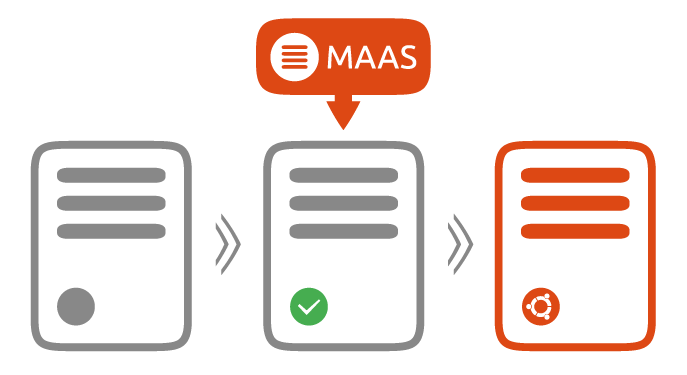
In this blog, we are going to explore how to leverage MAAS for hardware discovery and kernel auto-configuration using tags. In many cases, certain pieces of hardware require extra kernel parameters to be set in order to make use of them. For example, when configuring GPU passthrough we will typically need to configure the GPU
Artificial Intelligence and Machine Learning adoption in the enterprise is exploding from Silicon Valley to Wall Street with diverse use cases ranging from the analysis of customer behaviour and purchase cycles to diagnosing medical conditions. Following on from our webinar ‘Getting started with AI’, this webinar will dive into what succe

How To Develop Successful Machine Learning Projects On A Budget – A quick journey through some of the principles for a successful AI getting started project. The article includes an example of how to go from nothing to something – from data pipeline creation to models in production. The primary focus is on a model

Newsletter signup

Few enterprises want all their computing devices to be fully exposed to the internet. In an environment of ever-growing security threats, isolating internal networks from the wider internet is not simply best practice, but borderline essential. However, with all the benefits that restricted networks provide, it can pose challenges for ent

After exploring some ROS 2 subtleties and implementing some CLI tools we felt were missing, the time has come to get our hands even more dirty. What better way to learn than by doing? C’est en forgeant qu’on devient forgeron Humm, pardon my french, Practice makes perfect To enter the realm of ROS 2 and
This was a fairly busy two weeks for the Web & design team at Canonical. Here are some of the highlights of our completed work. Web squad Web is the squad that develop and maintain most of the brochure websites across the Canonical. Build and release dqlite.io The dqlite.io site has been built and deployed.

AI Tales: Building Machine learning pipeline using Kubeflow and Minio – Understand the Kubeflow value proposition in an entertaining format. The story starts with Joe, the neighbourhood Machine learning enthusiast. Joe reads a few things, becomes an expert, and then the real fun begins. He quickly runs into problems with portability, DevO

TurtleBot3 was released in 2017 and is positioned as a low-cost, open-source robot kit. For new owners of the TurtleBot3, there are various resources online that will assist you with building your brand new TurtleBot3 out of the box. One such example is the official TurtleBot3 instructional video. While it is a great video to

I needed to install a clean instance of Bionic to test some code, but I did not want to use a full virtual machine as I was in a hurry. To do this, I used LXD to quickly deploy new Bionic and Xenial instances in minutes. If you are not familiar with LXD, it is

How are snaps different from debs? This is a common question that comes up in technical discussions in the Linux community, especially among developers and users who have just embarked on their snap journey and are interested in learning more details. Indeed, the introduction of self-contained application format likes snaps has created a
We at Canonical care deeply about robotics. We firmly believe that robots based on Linux are cheaper to develop, more flexible, more secure, and faster to market. One of the contributing factors to this being the case is the Robot Operating System (ROS). ROS is by far the most popular middleware for creating Linux-powered robots.
Ubuntu tech blog
Deep dives for developers
Visit the Ubuntu Tech Blog for deep dives into product features, step-by-step tutorials, and the latest updates from Canonical's engineering teams.